


What are silverfish and where are they found?
Silverfish in the bathroom have very little in common with the swimming creatures of the water. With their six legs, they are insects, and they owe their name to their streamlined body and their fish-like way of moving. Silverfish have an impressive lifespan of up to eight years and, under ideal conditions, are fully grown and able to reproduce within a few months.
These unpopular insects are usually not a sign of poor hygiene. Silverfish are particularly common in old buildings with poor insulation, but just as common in new buildings with very tight insulation where a lot of residual moisture is still present. Seen this way, they are often even an indication of structural weaknesses, for example if the home is affected by previously undetected damp damage and subsequently by mould. Installing a new shower cabin can help here.
Are silverfish pests?
While you may be glad to be spared these unwanted house guests during the day, you are often surprised by silverfish scurrying around when you visit the bathroom at night. They avoid light and hide during the day in cracks, behind wallpaper or flower pots, becoming active at night.
The good news first: silverfish are not pests and therefore do not pose a serious problem. People who suffer from a house dust mite allergy may even welcome the silvery insects, as the tiny mites are at the top of the silverfish's menu. Mould is also part of their diet, but they also like to nibble on starchy foods, wallpaper paste, sugar, hair, pet food, books or textiles.
That is also why they feel so at home around people. The pleasant temperatures above 20°C and rooms with high humidity such as bathrooms, cellars or poorly ventilated bedrooms and kitchens further improve their living conditions.
How do I get rid of silverfish in the bathroom?
As a precaution, you can prevent silverfish from settling and multiplying in the bathroom with simple measures:
- Always air rooms well (especially the damp bathroom: a relaxing soak in a hot bathtub in particular increases the humidity)
- Clean the bathroom before going to bed (look out for stray hairs and wet surfaces)
- Tackle mould in the bathroom
- Keep food and pet food in closed containers
- Only dry laundry in well-ventilated rooms
- Replace loose wallpaper and seal cracks in the floor and walls
- Keep interior doors open overnight
Using simple household remedies
If silverfish have already moved into your bathroom or other rooms as unwelcome lodgers, you can get rid of them quickly with one of the following household remedies:
- Homemade sticky strips
A very simple but effective method is to smear a strip of cardboard with honey or icing sugar and place it in the affected room. The silverfish are attracted by the sweetness and then get stuck to the strip.
- Buying sticky traps
A ready-made sticky trap with attractants, available from chemists or specialist shops, has the same effect.
- Damp flannel
Place a damp cotton flannel on the floor. In many cases, this alone will attract the small insects. The next morning, shake it out outdoors.
- Putting out potatoes
You can achieve promising results by also spreading a grated potato on the cloth. Alternatively, simply place a cut potato on a plate in the evening and throw it away the next day together with the silverfish on it.
- Essential oils or vinegar
Place some lavender or a small bowl of water with essential oils or vinegar in the affected room. Silverfish in the bathroom will avoid the scent, which we humans find pleasant. However, there is a risk that the silverfish will simply move to another room.
We definitely advise against baking powder, as it swells after being eaten and the silvery house guests face an agonising death. You should also think twice about using chemical products, which, besides their intended purpose, can pose a risk of poisoning to pets and children.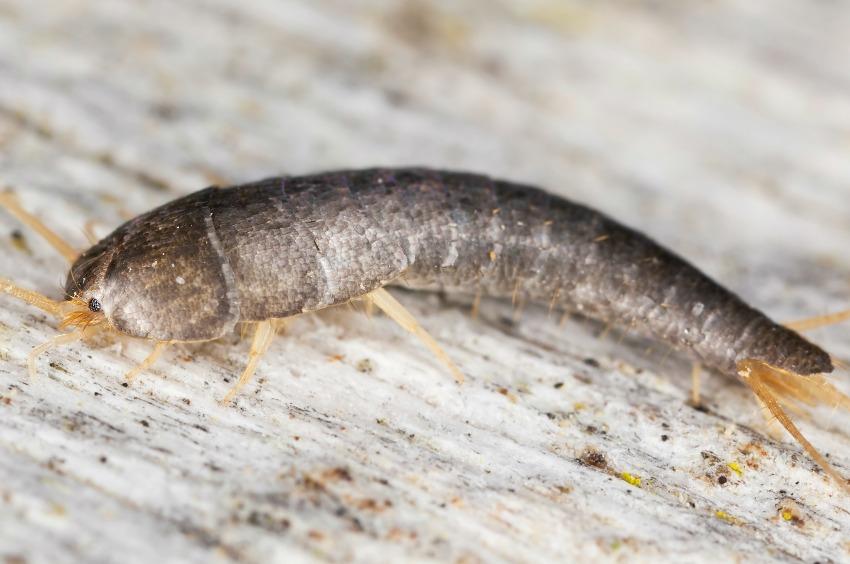
No need to fear silverfish
If silverfish are among the uninvited guests in your bathroom, there is no reason to panic at all. With a few simple remedies and measures, the harmless insects will soon look for a new home outside your own four walls. Far more important, however, is to investigate the cause of a silverfish infestation in order to detect any structural damage at an early stage.
Image source: ©istock/nicolasprimola ©istock/Henrik_L


