


Removing mould with vinegar and other household remedies
You do not always need a chemical mould remover. In many cases, removing mould in showers and bathtubs works with harmless household remedies. One important step is cleaning the surface of the walls, tiles and tile joints. This works best with a cloth dampened with warm water. The affected areas then need to be dried with a microfibre cloth. Only then can you start removing the mould.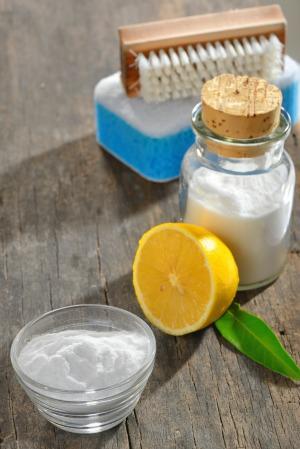
One of the most widespread tips for getting rid of mould is to mix baking soda with water and use it to clean the joints. However, this method does not remove the mould, it only freshens up the white colour of the joints. Methylated spirits are much more suitable, or if necessary vinegar cleaner or vinegar essence. These products are highly effective but not dangerous to people. The downside is that vinegar attacks silicone joints. The silicone joints usually have to be renewed after the treatment. The pungent smell of vinegar can also be unpleasant for several days.
Another option is high-proof alcohol. Ethanol is available from any pharmacy. In most cases, ethanol removes mould well. The advantage of this method is that it does not attack or damage any materials in the bathroom. Ethanol is also odourless. The only disadvantage is the slightly higher price.
How can I remove mould in the bathroom with chemical products?
If removing mould with harmless household remedies does not work, chemical mould removers are the last option. When working with these products, the areas to be treated must first be cleaned and dried. Chemical mould removers are usually sold in spray bottles, which you use to spray the tiles, joints and walls.
While you work, however, a window must always be open so that enough fresh air gets into the bathroom. Breathing in larger amounts of mould remover can damage your health. Before use, everyone should read the warnings on the bottle and follow them. Important points are:
- Always wear safety goggles
- Hold the spray bottle well away from your body
- Do not breathe in the spray
- Do not work for long periods at a time
The mould remover should be left to work for at least one day. The dark areas of the joints and tiles can then be cleaned with a sponge or a damp cloth.
How can I tackle mould in the bathroom with a steam cleaner?
 Both the tiles and the joints can be treated with a steam cleaner. The high heat kills the mould. Afterwards, the cleaned areas must be dried so that you do not immediately create a breeding ground for new mould.
The advantage of using a steam cleaner is that no chemical mould removers are needed. This method is completely odourless and does not cause any unpleasant reactions with the materials in the bathroom.
However, a steam cleaner cannot free silicone joints from mould. This is because the mould penetrates deep into the silicone joints. Only the surface of the joints is cleaned.
Preventing mould from coming back
There are ways to prevent, or at least reduce, mould in the bathroom in general, in whirlpools or in complete shower cabins. One important aspect is ventilation. There are a few things to bear in mind:
- Do not leave the window tilted open for hours
- After showering, open the window fully for a few minutes
- Turn the heating down while airing the room
- Wipe the shower cabin and walls dry after showering
 Not everyone has the opportunity or the time to dry the tiles and air the room properly after showering or bathing. In such cases, you should consider installing an electric extractor fan. An electric bathroom fan is relatively inexpensive and can be retrofitted with little effort. It draws in the moist air and carries it outside. This stops the moisture from settling on the walls, so you will no longer need to remove mould from your bathroom.
Image source: ©istock/Andreyuu


