


How is a Japanese bathroom laid out?
While in Germany a large bathroom containing the shower, bathtub and toilet is the norm, things are different in Japan. A Japanese bathroom is, if space allows, divided into three separate and correspondingly small rooms.
First you enter the anteroom, which usually contains the washbasin, the washing machine and various pieces of bathroom furniture for storing towels and the like. The advantage is that you can wash your hands or do the laundry at any time, even if the bathtub or toilet is occupied. The second room usually contains only the toilet, which can hold a few technical surprises. The third and most important room is the so-called ofuro. This is where the shower and bathtub are located. This division of rooms is considered extremely practical and would also be conceivable in German households.
What makes a Japanese bathroom special?
Let us now take a closer look at the actual bathroom, the ofuro. For European visitors, it seems unfamiliar at first. As a rule, the entire room is tiled from ceiling to floor. This may seem a little strange at first, but when you look at the special features of a Japanese bathroom, this solution turns out to make a lot of sense. The front part of the bathroom effectively serves as a generously sized shower and has its own drain. The actual bathtub is usually at the back of the room. There are various reasons for this, one of which lies in the Japanese bathing tradition. In Japan, bathhouses were and still are very popular and well visited. Before getting into a shared bath with strangers, you should wash the sweat and dirt off your body. The same principle applies in a Japanese bathroom. The bathtub is used mainly for relaxation and rest, not for washing. That is what the large shower is for. And it offers further advantages:
- Hardly any lack of space when showering
- No glass elements that are hard to clean
- Showering already warms up the bathroom pleasantly
- Enough space, for example, to shower children without rushing
Of course, in German bathrooms such a solution is often not easy to implement, if only because the drains are missing. With a suitably large complete shower cabin, however, you can enjoy some of these advantages and embrace the Japanese bathing tradition at the same time.
Taking a bath: what does the procedure look like? 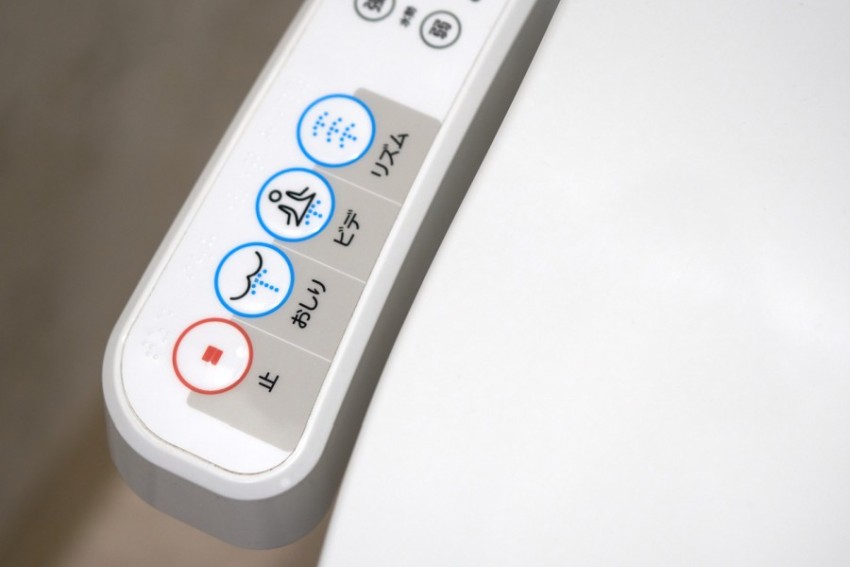
In Japanese culture there are various rites and procedures that precede a bath in a bathhouse. So it is no surprise that many of these customs have also been adopted for bathing at home. First, you usually undress in the anteroom. Then you can enter the actual bathroom. There, you wash thoroughly in the shower area. Bath stools, brushes or pumice stones are often provided for this. It is important to clean your body thoroughly, because in Japan all family members or even friends often bathe one after another in the same bath water. Thorough washing is therefore important to give the other bathers a hygienic experience. Rinse yourself off thoroughly after washing. Now you can get into the bathtub, which is usually filled only with clear, hot water.
Bath additives are generally not used in Japan. There is another special feature: a Japanese bathroom usually has a water heater that keeps the bath water at a constant 40 °C. This means the bath does not cool down and no more water needs to be added. Europeans also often find the shape of the bathtub unusual. While we appreciate large, comfortable bathtubs, the Japanese usually use a sitting bathtub. The shoulders therefore stick out of the water and may get cold. To prevent this, hot water can be poured over the shoulders with a small bowl.
How smart is a Japanese bathroom?
While the smart home is still in its infancy here, the situation in Japan is quite different. A Japanese bathroom is usually technically up to date and impresses with many small gadgets and innovations. We have already discussed some possibilities and developments in our article on the smart bathroom. Much of this can already be found in many bathrooms in Japan. As a rule, every bathtub has a mini computer that precisely controls the water quantity and water temperature. Many of these devices also come with remote controls and smart home interfaces, so that users can conveniently adjust the settings from outside the bathroom.
The toilet is also important in a Japanese bathroom. It is located in a separate room, but also stands out with many technical features and innovations. High-tech toilets such as the bidet and the Washlet are common and very popular in Japan. These are so-called shower toilets, which allow the user to rinse the intimate area thoroughly after using the toilet and, if required, dry it. Many devices also offer further functions, such as heated toilet seats or other features.
What are the advantages of a Japanese bathroom?
A Japanese bathroom offers numerous advantages: the clever room layout allows flexible use and lets several people use the bathroom at the same time. It is also much easier to use such a bathroom with the whole family. The large, open shower area has various benefits too. On the one hand it is easier to clean, and on the other hand you need to pay less attention to your surroundings when showering. Anyone with small children or pets that need washing will certainly appreciate this advantage.
In addition, the basic idea of a Japanese bathroom focuses much more on the relaxing aspect of the bathtub. Washing thoroughly before bathing and then relaxing in the bathtub is gaining more and more followers in Europe as well. If you are willing to make a few compromises, you too can create a real Japanese bathroom. Instead of a shower room, a complete shower cabin can offer an alternative. Shower toilets are also available in Germany and offer similarly flexible options. And a suitable bathtub, possibly with smart controls, can be bought as well. This way you can have your own Japanese bathroom without changing the layout of your bathroom. In a new build, however, the Japanese layout can certainly be worthwhile.
©iStock.com/violet-blue, ©iStock.com/supawat bursuk


