


There is no single Mediterranean style
Although each of us certainly has our own picture in mind when it comes to a Mediterranean bathroom, these pictures do not have to match, because the Mediterranean is large and borders many countries and regions. So it is not surprising that quite different styles have become established under the term Mediterranean. What they look like depends not least on the countries, their traditions and the materials available there. So let us first take a closer look at the different styles. Overall, there are four main styles:
- Roman/Italian
- Greek
- Moroccan
- French
Mediterranean styles in detail
Let us now look at the details of the different styles.
French: The French Mediterranean coast lies far to the south. Dark green and lavender purple are very popular colours in this region. Both colours are often used in the bathrooms of the region and combined with many light accents. Cast iron and wrought iron elements are used in the bathrooms both for function and for decoration. Especially on the taps, striking ornamentation is the order of the day in this style.
Moroccan: The Moroccan style is known above all for its use of different earth and brown tones, which are nicely complemented by gold elements. Solid wood furniture is also particularly popular in this style. A wooden bathtub, for example, really comes into its own in a bathroom like this. Mosaics are often used as wall decoration and add a little colour and variety.
Greek: The Greek feel in the bathroom is characterised by light and brightness. Bright white is the dominant colour here, with deliberate accents of azure blue elements. Round shapes and above all classic plastered walls are also typical of a Mediterranean bathroom in Greek style.
Roman/Italian: Probably the best-known of the Mediterranean interior styles. Terracotta-coloured tiles, usually large, broken up by mosaics on both the walls and the floor, create the right look. This design is complemented either by very simple and elegant bathroom furniture or by real opulence in marble and stone. What matters in any case is a straight-lined, almost understated design, which provides a pleasing contrast to the lavish wall and floor design.
Mediterranean colours: harmonies that work
A Mediterranean bathroom is easy to recognise at first glance. This is due not only to the materials used, but also to the colour combinations chosen. Depending on the style, the colours and possible combinations are already set. However, there is nothing to stop you combining your own elements and favourite colours with the existing colour elements. What matters is that you feel comfortable and can relax in your new bathroom. So first decide on a basic style for your Mediterranean bathroom. Then choose the colour range based on this style. Take the opportunity to compare different combinations and colour schemes and so develop your own individual style. You will be surprised how many different options the Mediterranean region has to offer and how much freedom you actually have in the design.
Mediterranean walls and floors
In a Mediterranean bathroom, it is above all the floor and wall design that determines the overall effect. Depending on the style and your preferences, you have various options. Let us start with the floors. Large terracotta tiles that set the colour tone are particularly popular here. They can be laid in the classic way, but look much more elegant and lighter with subtle ornamentation or in curved shapes. Various natural stone floors are also an option, whereas wooden floors are rather rare in a Mediterranean bathroom. The floor is usually dominated by brown and earth tones. To break it up, you can certainly use different mosaics on the floor. It is important that they do not look too busy. However, you should definitely avoid classic ceramic tiles. Their polished surface looks out of place and too flawless for a Mediterranean bathroom.
The design of the walls also depends very much on the style. In Greek-inspired bathrooms, white plastered walls are a must. Round, softly curved structural elements are important here. The other styles, on the other hand, like to use large tiles, small mosaics or a combination of both to simplify the wall design.
Bathroom furniture with a particularly elegant look
Mediterranean bathrooms usually rely on wooden furniture for the interior design. Depending on the style, however, there can be considerable differences here too. While the French and Italian styles mainly use dark woods, which makes the furniture look more substantial, the Greek and Moroccan styles often use furniture with a light glaze or painted finish. Most furniture in a Mediterranean bathroom is also rather simple in design, but often very solid and substantial in construction. This works particularly well when you choose sanitaryware to match.
Combine different options
This furniture combines very well with classic, simple sanitaryware and bathroom furniture. Rustic pieces are well suited to supporting the style of the bathroom and toning down the effect of the furniture a little. How the taps should look depends on the style. As a general rule, rustic-looking taps made of natural materials fit in very well. For the French or Roman style, they can also be more elaborate and ornate. It is important to complete the bathroom with suitable accessories.
Decorative elements and accessories for your Mediterranean bathroom
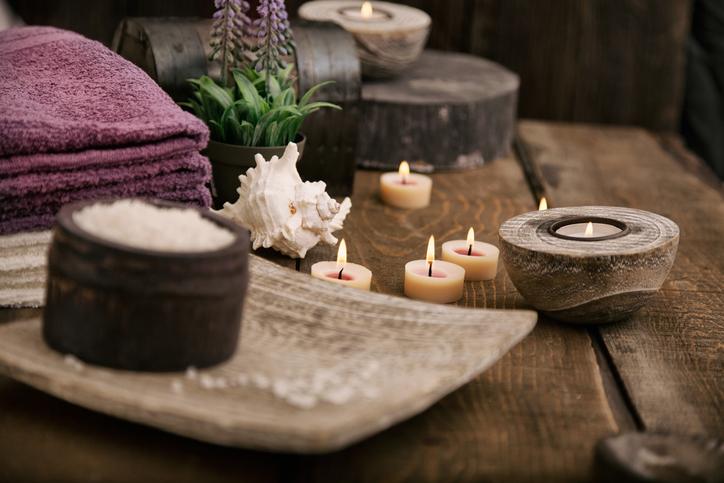
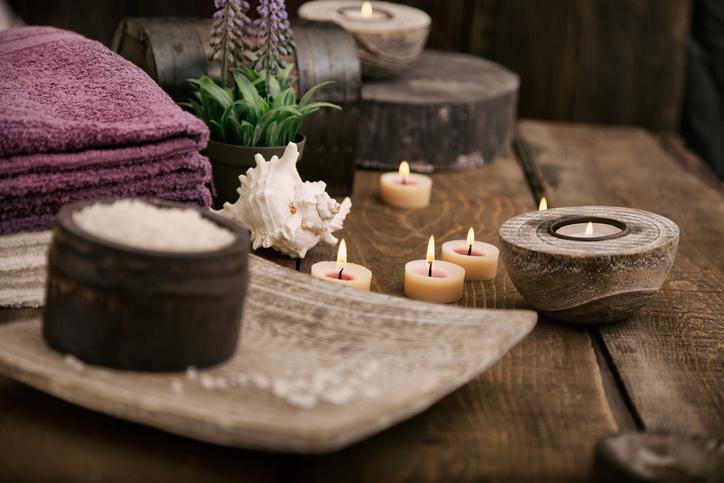
Wooden or fabric baskets for storage, decorative elements made of curved metal and large Mediterranean plants really bring the bathroom to life. When choosing textiles for the bathroom, go for high-contrast and above all warm colours that harmonise well with the furniture and the wall and floor design. For plants, choose living plants from the Mediterranean region wherever possible. Rosemary, small citrus and olive trees or lavender give the bathroom character, and their scent and appearance make you feel as if you were on a short holiday.
Caring for a Mediterranean bathroom
Natural woods and natural stone make your bathroom a place of relaxation and calm, whether you are enjoying a relaxing, refreshing shower or a long, hot bath. However, these materials also have certain disadvantages that could, in the worst case, quickly spoil your enjoyment. A Mediterranean bathroom requires a little more effort, especially when it comes to cleaning and care. But do not worry: once you have got used to a few routines, cleaning it will soon become quick and easy.
©iStock.com/Olga_Gavrilova ©iStock.com/wuttichok ©iStock.com/mythja


